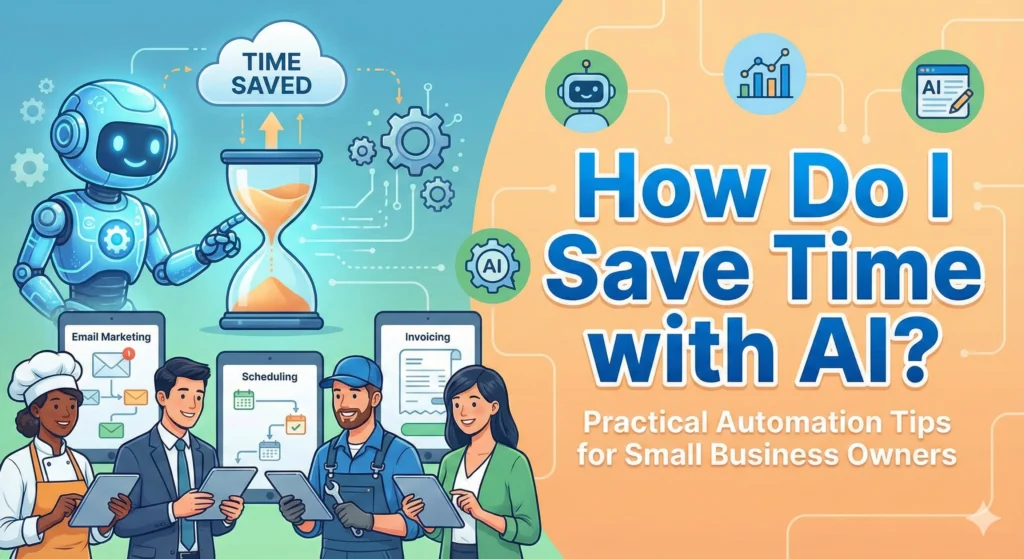
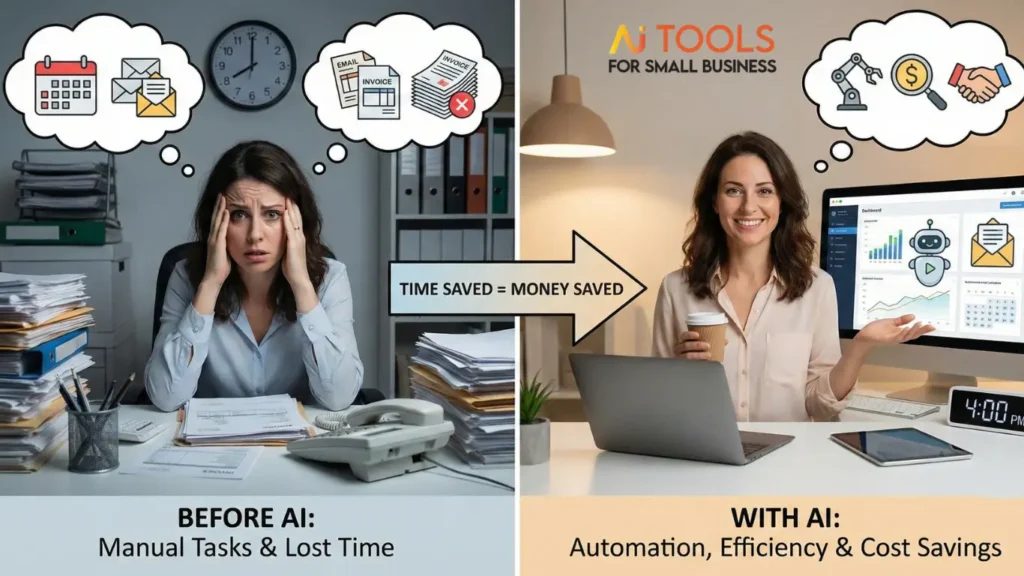
Starting a new business is an exciting venture, but it comes with its own set of challenges. As a small business owner, you’re constantly juggling multiple responsibilities—from managing finances and marketing to handling customer service and overseeing daily operations. It can feel overwhelming at times, especially when you’re trying to keep up with the latest technological advancements. One game-changer that can help streamline your business processes and boost productivity is Artificial Intelligence (AI).
But here’s the catch: AI might sound like a futuristic, complex technology that’s out of reach for small businesses, but it’s actually more accessible than you think. In this comprehensive guide, we’ll explore the best AI tools for beginners, specifically tailored for
small business owners. By the end of this post, you’ll have a clear understanding of how AI can simplify your tasks, save you time, and drive your business forward.
What is AI and How Can it Help Small Business Owners?
Before diving into the AI tools for beginners, let’s first define what AI is. At its core, AI refers to technologies that can perform tasks that usually require human intelligence. This includes learning from data (machine learning), recognizing patterns (computer vision), understanding and generating language (natural language processing), and more.
For small business owners, AI offers a wealth of opportunities to automate time-consuming tasks, make data-driven decisions, and enhance customer experiences. Whether you’re looking to improve your marketing strategy, streamline your operations, or enhance your customer service, AI tools can help you achieve your goals with ease.
The Best AI Tools for Beginners: A Guide for Small Business Owners
- Chatbots for Customer Service
AI Tool: Tidio, Intercom, Zendesk
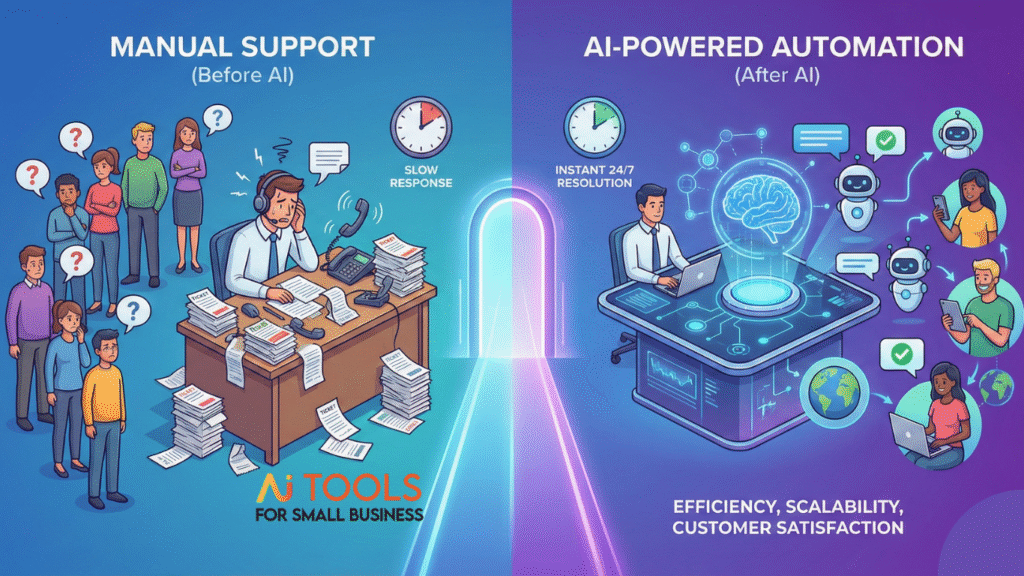
Customer service is a critical aspect of any small business. Providing timely and helpful responses to customer inquiries can set you apart from competitors. However, it can be challenging to keep up with customer queries around the clock, especially when you’re just starting.How AI Helps: AI-powered chatbots can handle basic customer questions 24/7, ensuring your customers receive quick responses even when you’re not available. These bots can be integrated into your website or social media channels, and they’re perfect for automating repetitive tasks such as answering frequently asked questions, tracking orders, or helping customers navigate your website.
Beginner Tip: Start by integrating a simple chatbot on your website or social media pages. As you grow, you can explore more sophisticated options that incorporate machine learning to handle more complex queries.
- AI for Marketing Automation
AI Tool: Mailchimp, HubSpot, Buffer
Marketing is essential for attracting new customers and keeping your business top of mind. But creating and managing marketing campaigns, social media posts, and email newsletters can be time-consuming and overwhelming for small business owners.How AI Helps: Marketing automation tools powered by AI can take the guesswork out of your campaigns. These tools help you automate your social media posts, personalize email marketing campaigns, and even schedule content at the most optimal times to reach your audience. AI can also analyze customer data to offer personalized recommendations, increasing the likelihood of conversion.
Beginner Tip: Start by using AI-powered email automation tools, like Mailchimp or HubSpot, which allow you to create personalized email campaigns without needing any coding skills.
- AI for Financial Management
AI Tool: QuickBooks, FreshBooks, Xero
Managing finances is one of the most crucial yet challenging aspects of running a small business. Tracking expenses, invoicing clients, and keeping your books in order can take up a significant portion of your time.How AI Helps: AI-based financial tools can simplify your bookkeeping tasks by automatically categorizing expenses, tracking invoices, and generating financial reports. These tools also use AI to help predict cash flow trends and provide actionable insights into your business’s financial health.
Beginner Tip: For beginners, start by using AI-powered accounting software like QuickBooks or FreshBooks, which offer easy-to-use interfaces and integrations with your business bank accounts.
- AI for Sales and Lead Generation
AI Tool: Salesforce, HubSpot CRM, PandaDoc
Generating leads and managing sales are critical to growing any business. However, small business owners often struggle with finding the time to reach out to new leads while keeping track of existing ones.How AI Helps: AI tools can streamline your sales process by automating lead generation, qualifying leads, and sending follow-up emails. AI-powered CRMs (Customer Relationship Management tools) can also provide valuable insights into customer behavior, allowing you to tailor your sales pitches and improve your chances of closing deals.
Beginner Tip: Start with simple CRM tools like HubSpot CRM, which offer free versions and easy-to-use interfaces for managing leads and automating basic tasks.
- AI for Content Creation and SEO
AI Tool: Jarvis (Jasper), Copy.ai, SurferSEO
Content creation is key to attracting and retaining customers. However, as a small business owner, you may not have the time or resources to consistently produce high-quality content. Fortunately, AI tools can help.How AI Helps: AI writing assistants like Jarvis (now known as Jasper) and Copy.ai can help you create blog posts, product descriptions, email content, and more. These tools use natural language processing to generate text that’s relevant to your audience. Additionally, AI tools like SurferSEO can assist with keyword research and optimize your content for search engines.
Beginner Tip: If you’re new to content creation, try using AI tools to generate blog ideas or draft content. These tools can save you hours of writing time while maintaining quality.
- AI for Task Automation
AI Tool: Zapier, Integromat, Automate.io
As a small business owner, you’re likely handling a lot of tasks manually—whether it’s transferring data between apps, updating customer information, or sending reminders. Task automation can help you save time and reduce human error.How AI Helps: AI-powered automation platforms like Zapier can connect your apps and automate workflows. For example, you can automatically add new customers to your email list, create tasks in project management tools, or sync data between your CRM and marketing platforms without lifting a finger.
Beginner Tip: Start by automating simple tasks like syncing your Google Sheets with your email list or posting new content to social media. As you become more comfortable, you can integrate more complex workflows.
Key Takeaways for Small Business Owners Using AI
- Start Small: If you’re new to AI, it’s important to start with tools that are easy to use and require minimal setup.
- Identify Your Pain Points: Look for areas of your business that could benefit from automation—whether it’s customer service, marketing, or finance—and select AI tools that address these needs.
- Test and Iterate: Don’t be afraid to try different AI tools to see what works best for your business. Many platforms offer free trials, so you can test them before making a commitment.
Conclusion
AI for small business owners doesn’t have to be intimidating. With the right tools, you can automate tasks, make data-driven decisions, and improve your customer experience. Whether you’re just starting out or looking to expand, AI can be a game-changer for your business. By using the AI tools for beginners outlined in this guide, you’ll be on your way to running a more efficient, streamlined, and successful business.
Start exploring the world of AI today and see how it can revolutionize the way you do business!
FAQ
-
What are AI tools, and how can they help my small business?
AI tools are software that automates tasks, analyzes data, and provides insights. They help small businesses by automating marketing, customer service, and sales, saving time and improving efficiency.
-
Are AI tools expensive to implement for small businesses?
AI tools can be affordable. Many offer scalable pricing and free trials. You can start with budget-friendly options and upgrade as your business grows.
-
Which AI tools should I start with as a small business owner?
Start with tools like Tidio or Zendesk for customer service, Mailchimp or HubSpot for marketing, and QuickBooks or Xero for financial management. These tools are easy to use and fit small business needs.
-
How can AI improve customer engagement for my small business?
AI enhances customer engagement by offering instant support through chatbots and personalizing marketing messages based on customer behavior, increasing satisfaction and loyalty.
-
Do I need to have technical expertise to use AI tools for my business?
No. Most AI tools are user-friendly and require little to no coding. They come with tutorials and customer support to help you get started.